
Innocent Monster
They who bear the Crown they never ask

1st of all, what is Innocent Monster???
The specific term “Innocent Monster” (無辜の怪物, Muko no Kaibutsu) originates from the world-building of the Fate media franchise (particularly Fate/Grand Order).
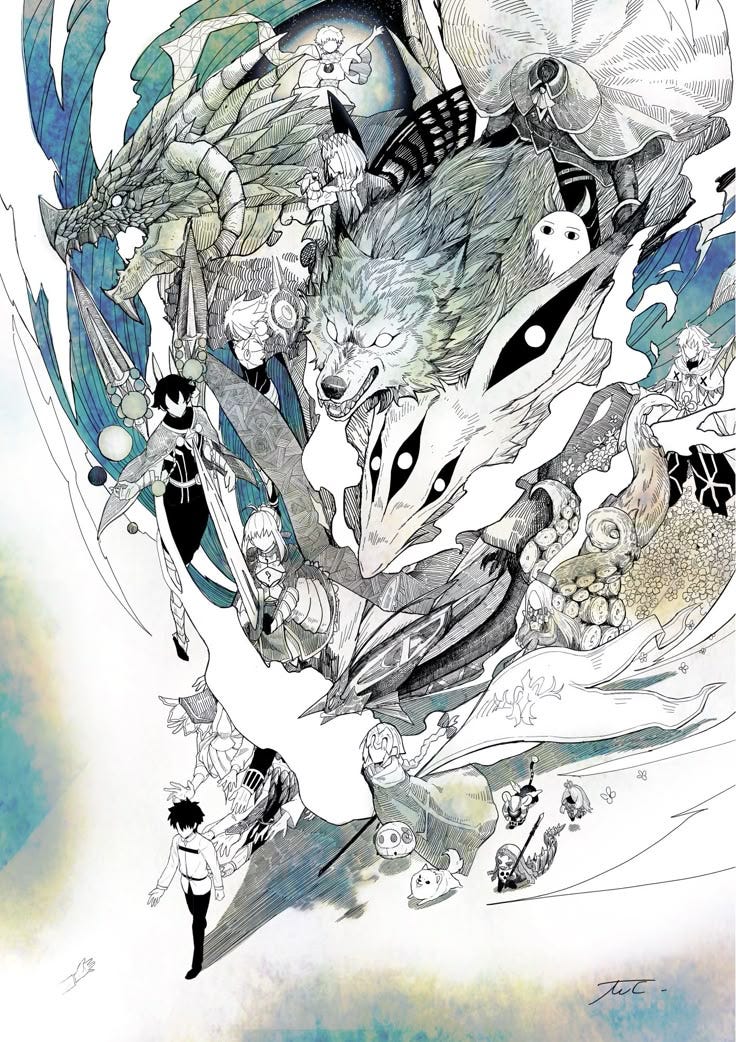
The definition of the term is that a historical figure’s actual life and deeds are retroactively overwritten by public perception, rumor, or fiction.
Over time, the sheer weight of societal consensus distorts their reality, transforming an ordinary (or even heroic) human being into a caricature or a monster.
This term reflects a weird truth in our society; that is the Fiction of the Mass usually become the Truth, even though its itself is Fiction.
The tragedy lies in the “innocence” of the subject; they are punished not for their actual sins, but for the sins projected onto them by posterity.
This phenomenon occurs when the “Phantom of the Public”—the collective imagination—proves more compelling or convenient than documented truth. Its quite different when
Often, a sensationalized work of literature or theater serves as the catalyst. Because human brains are wired for narrative rather than sterile data, a compelling fictionalization will almost always outcompete dry historical records in the public consciousness.
The deceased have no legal or social recourse to defend themselves.
Their identities become public property, shaped to fit the archetypal needs of later generations—whether that be a need for a definitive villain, a cautionary tale, or a cultural boogeyman.
This phenomenon is vividly illustrated by historical figures whose post-mortem identities have been entirely hijacked, turning them into cultural titans of villainy.
Here are some of the best example:
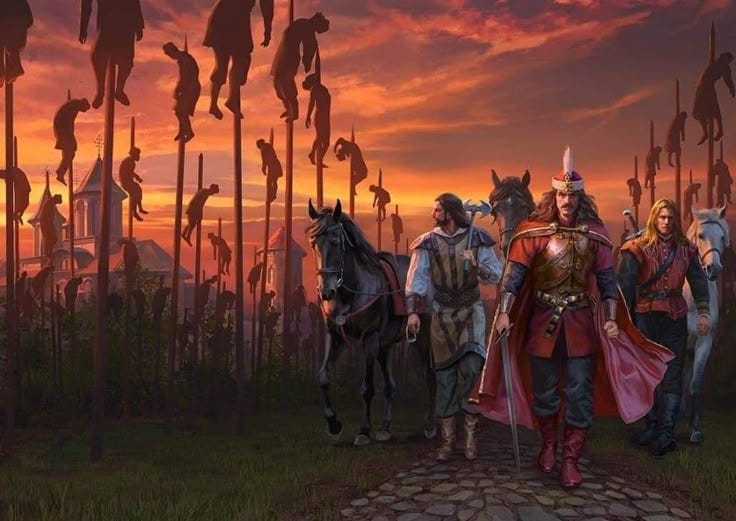
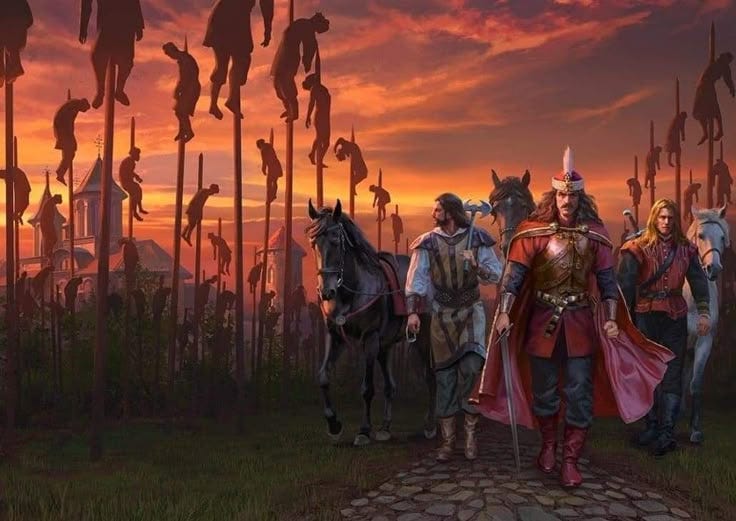
Vlad III of Wallachia (The Impaler):
Historically, Vlad III was a 15th-century prince who employed brutal, albeit historically contextual, tactics to defend his territory against the encroaching Ottoman Empire.
In his homeland, he was often viewed as a national hero and a strict enforcer of justice. However, due to 19th-century British literature—specifically Bram Stoker’s Dracula—Vlad’s historical reality was entirely eclipsed. Today, the global public perception of him is inextricably linked to a supernatural, blood-drinking aristocrat, completely overwriting his political and martial reality.
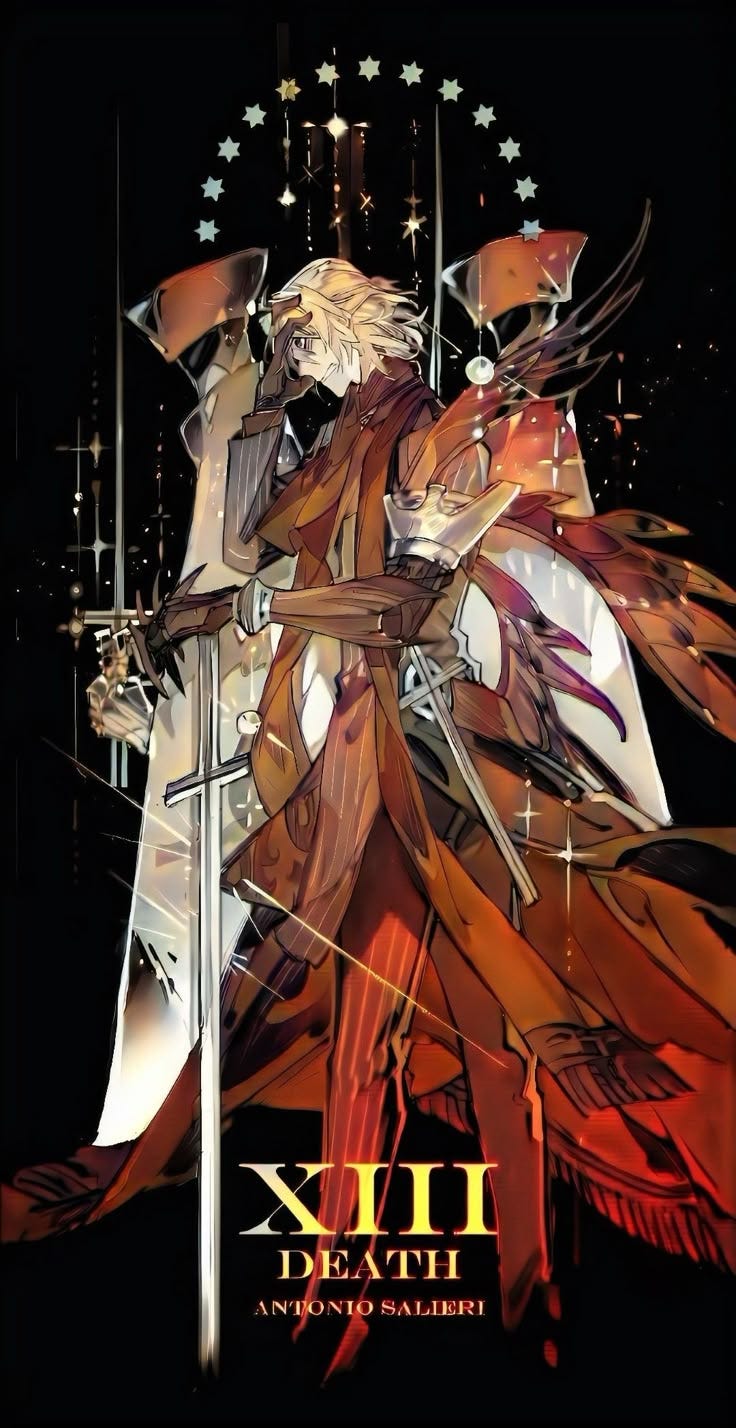
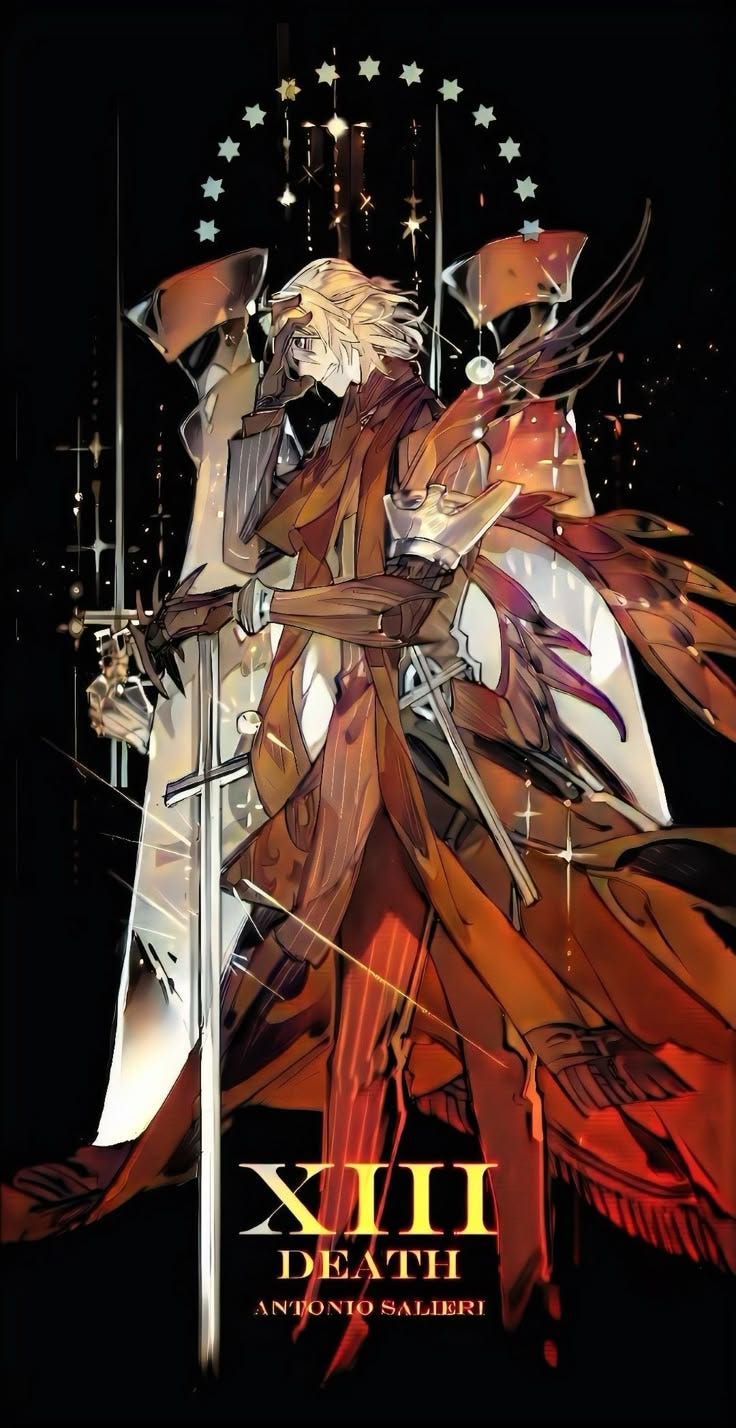
Antonio Salieri:
Perhaps the purest example of the Innocent Monster.
During his lifetime, Salieri was a highly respected composer, a sought-after teacher (mentoring Beethoven, Schubert, and Liszt), and a colleague of Wolfgang Amadeus Mozart. Following Mozart’s untimely death, unfounded rumors of poisoning began to circulate.
These rumors were later codified into “truth” by Alexander Pushkin’s play Mozart and Salieri and Peter Shaffer’s Amadeus. Public perception retroactively transformed a generous, pious musician into a bitter, envious murderer, a monstrous identity he never bore in life.
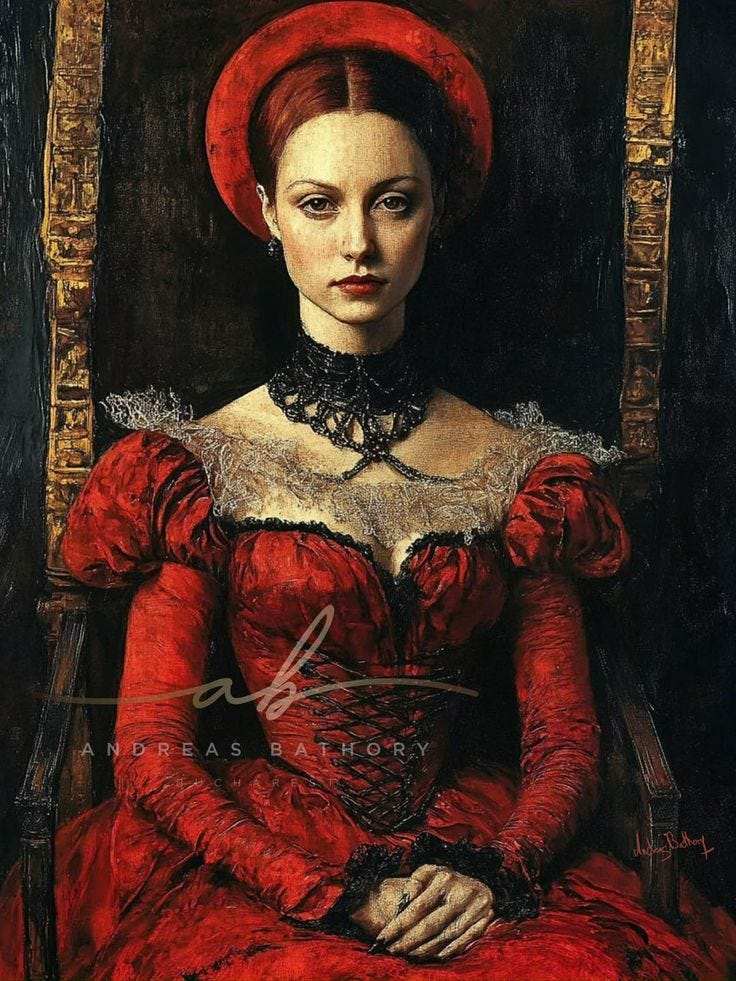
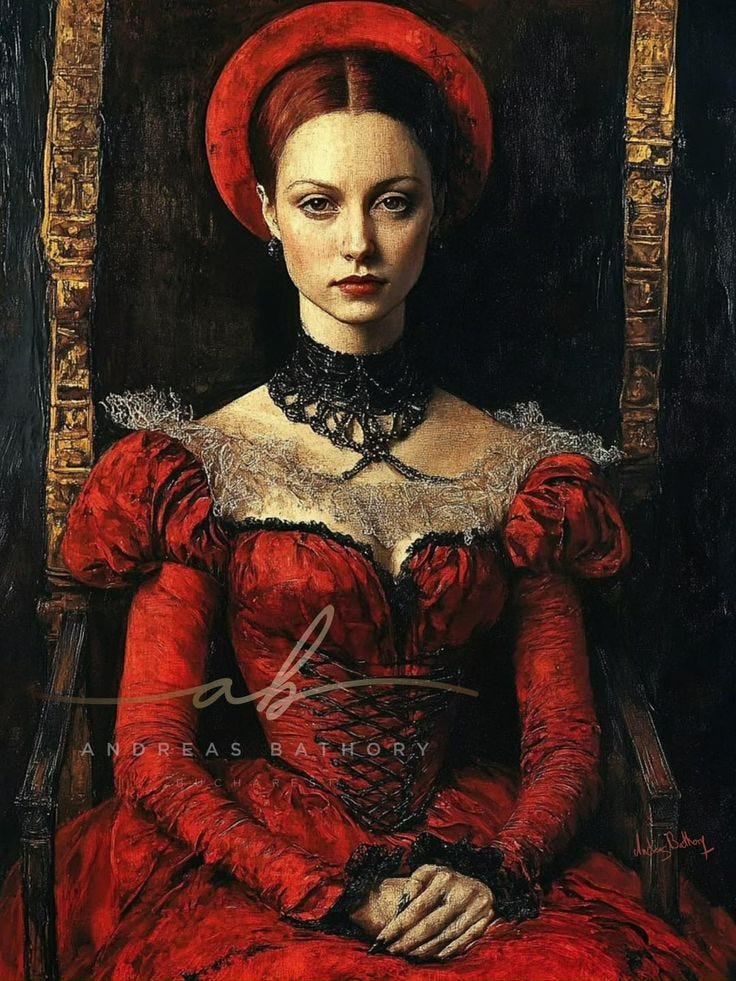
Elizabeth Báthory: Often cited as the “Blood Countess,” historical records suggest that the accusations of her murdering hundreds of young women to bathe in their blood were largely politically motivated fabrications by rivals seeking to seize her vast lands and wealth. Yet, the macabre folklore proved so enduring that her actual historical context is almost entirely lost to the vampire mythos.
This phenomenon can be perfectly explained through French sociologist Jean Baudrillard’s theory of Simulacra and Simulation.
Baudrillard argued that in modern society, symbols and representations (simulacra) have replaced the actual things they are meant to represent. This process happens in stages:
Reflection of profound reality: (A faithful historical account of a person).
Masking and perverting reality: (A biased political pamphlet exaggerating their flaws).
Masking the absence of reality: (A historical fiction novel that pretends to be rooted in truth but invents the narrative).
Pure Simulacrum: (The sign has no relation to any reality whatsoever; it is its own pure simulacrum).
The Innocent Monster exists in the fourth stage: Hyperreality. The fictionalized, monstrous version of the historical figure (the simulacrum) becomes “more real” to the public than the actual historical person.
Like how we hunt the Scapegoat
We need these monster
Societies need these monsters
For history is chaotic, random, and often deeply unfair
For political games of Eternity
References
Baudrillard, J. (1994). Simulacra and simulation (S. Faria Glaser, Trans.). University of Michigan Press. (Original work published 1981)
Halbwachs, M. (1992). On collective memory (L. A. Coser, Trans.). University of Chicago Press. (Original work published 1925)
Shaffer, P. (1981). Amadeus. Harper & Row.
Stafford, W. (1991). The Mozart myths: A critical reassessment. Stanford University Press.
Thorne, Tony. (1997). Countess Dracula: The life and times of Elisabeth Bathory, the Blood Countess. Bloomsbury.
McNally, R. T., & Florescu, R. (1994). In search of Dracula: The history of Dracula and vampires (Rev. ed.). Houghton Mifflin.